In an age defined by hyper-connectivity and endless sprawl, the notion of true isolation within the United States might seem like a relic of a bygone era. Yet, scattered across the nation's vast and varied landscapes are pockets of extraordinary remoteness, communities that defy modern expectations of accessibility and convenience. These are not mere dots on a forgotten map, but vibrant, if small, towns where life unfolds on its own terms, dictated by geography, tradition, or a sheer stubborn refusal to join the mainstream. From villages accessible only by ice road to desert outposts where the nearest grocery store is a multi-hour drive, these places offer a compelling counter-narrative to the urban hustle, revealing an America far wilder and more idiosyncratic than many might imagine.
Where Roads End: The Unreachable Outposts
For some American communities, the very concept of a traditional road connection is a foreign one, replaced instead by a reliance on ferries, planes, or even pack animals. In Whittier, Alaska, approximately 240 residents live in a single 14-story structure known as Begich Towers, a testament to extreme efficiency born from extreme conditions. This monolithic building houses not just apartments, but also the post office, grocery store, school, police station, and a clinic, all connected under one roof. The town itself is cut off by towering mountains, with the sole road access being a 2.5-mile one-lane tunnel that operates on strict opening hours. Miss the nightly closure, and you are simply not getting in. Compounding this isolation is the weather, with Whittier receiving around 200 inches of precipitation every year. Yet, residents stay for the unreal scenery and the literally built-in, tight-knit community.
Deep within the Grand Canyon in Arizona lies Supai, a village of about 200 people where mail still arrives by mule. There is absolutely no road access. The only ways in are an 8-mile hike, a helicopter ride, or horseback. Five days a week, pack mules carry supplies, including Amazon packages, down steep canyon switchbacks. The Havasupai people have called this place home for over one thousand years, living amidst bright blue waterfalls and towering canyon walls, devoid of cars, traffic lights, or quick exits. They remain because it is their ancestral home, a landscape unparalleled anywhere else on Earth.
California's Shelter Cove is a holdout along the aptly named Lost Coast, a stretch of terrain so rugged that engineers building Highway 1 simply went around it. About 700 people live here, reached by a steep, winding road that drops thousands of feet toward the ocean. With a small airstrip, limited services, and long stretches of no signal, this town, which was once envisioned as a resort, found its identity in its very remoteness. Its quiet, off-grid nature is precisely why people choose to stay.
On the island of Molokai, Hawaii, Kalaupapa sits at the base of some of the world's tallest sea cliffs. From 1866 to 1969, it was a place of forced exile for people with Hansen's disease. Today, only a handful of original patients remain, alongside government workers, bringing the estimated population to around 67 individuals. With no hotels, no cell service, and access limited to small planes, Kalaupapa is not a place one moves to, but rather a peaceful, protected, and deeply personal sanctuary for its remaining residents.
Louisiana's Grand Isle is the state's last inhabited barrier island, a narrow strip of land in the Gulf of Mexico constantly under threat. Home to just under 1,000 people, it sits barely above sea level, connected to the mainland by a single road. Frequent hurricanes, like Hurricane Ida, cause outrageous damage, yet residents consistently rebuild, drawn by the fishing, coastal culture, and strong community ties. Living here means accepting significant risk, but for many, the trade-off for Gulf access and a unique way of life is worthwhile.
In Massachusetts, Gosnold is arguably the quietest town in the state, with around 60 year-round residents spread across the Elizabeth Islands. Most of these islands are privately owned, leaving Cuttyhunk Island as the main public settlement. There are no major roads, with golf carts replacing cars. In winter, when seasonal visitors depart, the population drops even further, creating an almost complete silence. Access is limited to ferry or small aircraft, and services are minimal. Residents choose this isolation for ocean access and a close-knit community far removed from the rest of the state.
North Carolina's Ocracoke is an island community in the Outer Banks, home to about 650 residents, accessible only by ferry, boat, or small plane. There is no bridge to the mainland. The island boasts its own distinct dialect, the Hoi Toider Brogue, shaped by centuries of isolation. It also has a rich pirate history, with Blackbeard having been killed nearby in 1718. The separation fosters a strong sense of identity rarely found in more connected places.
Similarly, Daufuskie Island in South Carolina, nestled between Hilton Head and Savannah, has no bridge connecting it to the mainland. Around 700 to 800 year-round residents rely on boats for access. Once on the island, there are no traffic lights and very few cars, with most people navigating by golf cart. The island is a stronghold of Gullah Geechee culture, preserved through generations. Life here moves slowly, dictated by tides and schedules, a stark contrast to the surrounding mainland.
Washington state boasts Stehekin, a town at the far end of Lake Chelan, surrounded by the North Cascades. With about 80 residents, it has no roads connecting it to the outside world. The only ways to reach it are a long ferry ride, a float plane, or a challenging hike. Once there, a short 13-mile road serves the community but connects to nothing else. Supplies arrive by boat, and the chosen separation is a fundamental part of daily life.
On Madeline Island in Lake Superior, Wisconsin, La Pointe is home to about 300 year-round residents. While ferries connect it to the mainland in summer, winter brings a unique challenge: ice conditions can shut down ferry service entirely. Residents then rely on small aircraft or, when the lake freezes solid, an ice road across the lake, allowing even trucks to drive across when conditions permit. This cyclical isolation defines life here, making the island feel distinct.
Virginia's Tangier Island, located in the Chesapeake Bay, faces a more existential threat. With about 400 residents, it is slowly disappearing due to erosion and rising water levels, with scientists estimating large parts could be gone within decades. There are no cars, only golf carts and boats, and access is by ferry or small plane. Its local dialect, carrying traces of 17th century English, and a life centered on crabbing and fishing, underscore a culture that has survived for centuries. Residents stay because it is home, and leaving would mean the end of a unique heritage.
Finally, Boulder, Utah, with about 250 residents, sits between remote canyon country and high desert terrain. For decades, it was so challenging to reach that mail deliveries were made by mule well into the 20th century. Even today, access requires navigating narrow ridges like Hogsback, where steep drop-offs flank both sides of the road. Far from any interstate, its isolation, the raw land, and the increasing rarity of such remote places are why people stay.
The Havasupai people have called this place home for over one thousand years, living amidst bright blue waterfalls and towering canyon walls, devoid of cars, traffic lights, or quick exits.
Wilderness Deep: Life in Nature's Embrace
Many isolated towns across America are not just near wilderness, but deeply embedded within it, with their very existence shaped by the surrounding natural world. Eufaula, Alabama, with its 12,000 residents, sits on the edge of the Chattahoochee wetlands, surrounded by slow water and trees draped in Spanish moss. Once sacred Creek territory, Eufaula today thrives on catfish tournaments, historic homes, and a slower pace of life, offering some of the best fishing in the South. People don't move here for industry, but for the quiet beauty and deep connection to the riverine environment.
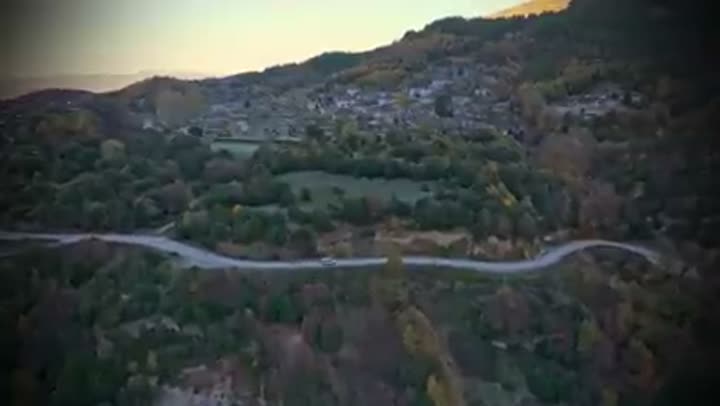
In Arkansas, Saint Paul, with just over 100 residents, is lost deep in the Boston Mountains, where the Ozarks become steep, rugged, and hard to navigate. Roads twist through thick forest, and GPS often struggles to pinpoint its location. With no hospitals, no chain stores, and minimal development, families, some dating back before Arkansas was a state, have lived on this land for generations. They value the independence, space, and a connection to land that has remained largely unchanged for decades.
Colorado's Meeker, a town of about 2,400, is a gateway to the Flat Tops Wilderness Area. It sits deep in the White River Valley, over 100 miles from the nearest city and hours from Denver. This area, once Theodore Roosevelt's hunting ground, remains largely untouched. Life here revolves around ranching, hunting, and open spaces, with spotty cell service often seen as part of the appeal. Residents prioritize the quiet, remote setting, and the independence it affords.
Ochopee, Florida, a tiny community with a permanent population under 100, is the antithesis of Florida's crowded beaches. It lies along the Tamiami Trail inside Big Cypress National Preserve, surrounded by wetlands and wildlife. Its most famous feature is a 61-square-foot post office, the smallest in the United States. Despite the heat, humidity, and constant bugs, residents embrace direct access to the Everglades ecosystem and a quiet life completely separate from the state's tourist centers.
In Georgia, Fargo, with fewer than 300 residents, borders the Okefenokee Swamp, a massive, slow-moving ecosystem of blackwater channels, cypress trees, and abundant wildlife. The nearest city is about 45 minutes away, leaving Fargo as a remote outpost before the swamp takes over. Daily life here is shaped by the environment, with fishing, hunting, and working around the land's conditions as central activities. Residents value the space and access to untouched nature.
Salmon, Idaho, a town of about 3,300, is not just near wilderness, it is inside it. It sits on the edge of the Frank Church River of No Return Wilderness, the largest protected wilderness in the lower 48 states. The Salmon River, famously too dangerous for Lewis and Clark to navigate, runs through town. With hours of driving through mountains that can close in winter to reach the closest city, life here is dominated by ranching, guiding, and access to this vast, untouched land.
Contrary to Indiana's flat farmland reputation, Shoals, with fewer than 700 residents, sits in one of the state's most heavily forested parts, surrounded by the Hoosier National Forest. The terrain is rougher and less developed. Its unique feature is Jug Rock, a 60-foot sandstone formation and the largest freestanding table rock east of the Mississippi. Life here is slower, centered around the White River and local traditions, offering a slice of Indiana that still feels untouched.
Missouri's Eminence, population just over 500, is one of the most remote river towns in the Midwest, nestled deep in the Ozarks where the Current River and Jacks Fork meet. Surrounded by forests, limestone bluffs, and natural springs, including Blue Spring, one of the deepest in the state, it lacks major highways or large stores. Residents are drawn to the rivers, the land, and a life built around outdoor access, far from bigger cities.
Newberry, Michigan, in the Upper Peninsula, is known as the moose capital of Michigan. With a population of about 1,300, it is surrounded by hundreds of thousands of acres of forest, with the nearest major city hours away. Nearby Tahquamenon Falls adds to its natural allure. Residents here are accustomed to isolation, valuing access to nature and a slower pace away from more populated areas.
Pittsburg, New Hampshire, is the largest town in the state by area, covering over 280 square miles, yet fewer than 1,000 people live there. Located near the Canadian border in the Great North Woods, moose sightings are more common than traffic. Logging, snowmobiling, and outdoor recreation define life in this remote area, hours from the state capital. People stay for the space, nature access, and distance from crowded New England.
New Jersey, the most densely populated state, holds Chatsworth, a town that feels completely different. It sits in the middle of the Pine Barrens, surrounded by over a million acres of forest. With around 900 residents, development is limited by protected land, leading to sandy roads, dropped signals, and lost GPS. Though only about 30 minutes from Philadelphia, it feels much farther. Known for cranberry farming and legends of the Jersey Devil, Chatsworth offers rare space, quiet, and a timeless way of life.
New York's Long Lake is situated in the heart of Adirondack Park, a 6 million-acre region larger than Yellowstone. With about 700 residents, it has no major highways nearby, and basic services can be miles away. Winters bring temperatures well below zero, further limiting travel. Life revolves around the outdoors, from boating in summer to snowmobiling in winter, offering a quiet, remote existence far removed from the rest of the state.
Coker Creek, Tennessee, with fewer than 200 residents, is deep in the Cherokee National Forest. This is where Tennessee had its own gold rush in the early 1800s, years before California's more famous one. Traces of this history remain, and people can still pan for gold in the creek. The area is surrounded by forest, with limited access, few services, and abundant wildlife. Residents are drawn to the history, the natural setting, and a quieter life where the forest plays a central role.
Dubois, Wyoming, with about 1,000 residents, is one of the last places in the state that feels completely untouched. Located in the Wind River Valley, it's surrounded by mountains and open land, far from major cities. With roots in ranching and early railroad work, life here is shaped by long winters, limited services, and absurd distances between towns. There's no push for rapid growth, as residents prefer the pace, space, and independence of this remote part of the state.
Echoes of Industry: Towns Forged by the Past
Some towns, though remote today, bear the indelible marks of a past shaped by industry, historical events, or unique cultural legacies, influencing why their residents remain. Kaskaskia, Illinois, was once the state's first capital, but a massive flood in 1881 caused the Mississippi River to change course, stranding the town on the west side of the river, technically surrounded by Missouri. Today, only about 20 people live here. To reach it, one must drive through Missouri, and even the mailing address follows Missouri routes, yet it remains legally part of Illinois. For its few residents, it is simply home, despite the map's complexities.
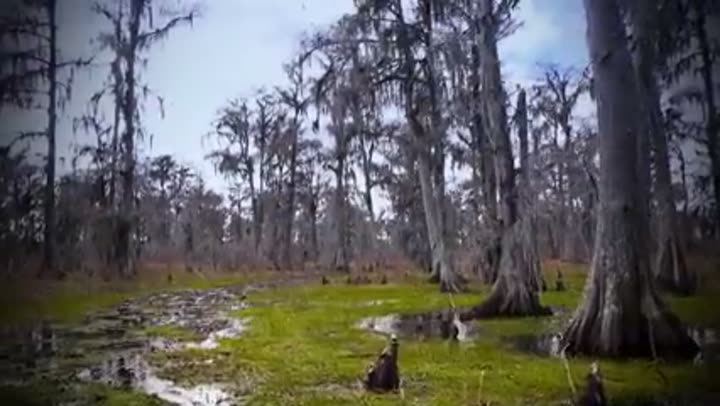
Inez, Kentucky, with fewer than 500 residents, sits deep in Eastern Kentucky's Appalachian region. Long, winding roads mean getting in or out can take over an hour through narrow mountain routes. The town gained national attention in 1964 when President Lyndon Johnson visited as part of his War on Poverty campaign. Life here is built around family, land, and long-standing traditions, with residents staying because their roots run deep, a value that still outweighs convenience.
Millinocket, Maine, used to revolve entirely around its paper mill, which shut down in 2008, taking much of the local economy with it. Instead of disappearing, this town of about 4,000 residents shifted its focus. It now serves as the gateway to Baxter State Park and Mount Katahdin, the northern end of the Appalachian Trail, and borders the remote 100-Mile Wilderness. Tourism and outdoor recreation have slowly replaced industry, and residents have adapted, finding a new identity in the surrounding wilderness.
In Maryland's far western panhandle, Luke is one of the state's smallest towns, with fewer than 100 residents. For over a century, like Millinocket, it depended on a paper mill that shut down in 2019. Geographically, it feels much closer to West Virginia than the rest of Maryland. Despite limited jobs and its remote location, people stay because housing is affordable, families have been there for generations, and the town retains its identity even after losing its main industry.
Eureka, Nevada, with around 300 residents, feels like a town frozen in time along Highway 50, known as the loneliest road in America. Once a major silver mining hub with thousands of people, it is quiet and spread out today. The most notable landmark is the Eureka Opera House, built in the 1880s, a reminder of its past. With towns far apart and limited services, residents stay for the space, quiet, and the slower pace compared to bigger cities.
Glenford, Ohio, with around 150 residents, feels much older than the rest of the state. It sits near Flint Ridge, a site used for over 2,000 years by Native American groups to quarry flint for tools and trade. This rural area lacks major development and traffic lights, with forests and farmland dominating. Unlike much of heavily developed Ohio, this region has remained relatively unchanged, drawing residents who value its quiet, familiar atmosphere and deep historical ties.
Perhaps the most extreme example of a town shaped by its past is Centralia, Pennsylvania. This town has been on fire for over 60 years, with an underground coal seam fire that started in 1962 and never stopped. The ground became unstable, toxic gases leaked out, and the state forced almost everyone to leave. Streets were removed, homes demolished, and the zip code erased. Yet, around four people still live here, with smoke still rising from cracks in the ground in certain areas. They stay because it is their home, even as the town itself has effectively disappeared.
Pie Town, New Mexico, is a real place, with fewer than 200 residents, sitting at 7,800 feet on the Continental Divide. It has almost no modern infrastructure, lacking gas stations and reliable cell service, with long stretches of empty highway in every direction. The name comes from a homesteader who sold pies to travelers nearly a century ago. Today, spots like the Pioneer Cafe still draw visitors, and it is near the Very Large Array, one of the world's most powerful radio observatories. Residents stay for the quiet, isolation, and a way of life that has changed little over decades.
The American Empty Quarter: Where Space is the Ultimate Luxury
For some, isolation is not just a side effect of geography, but the primary draw, a deliberate choice for vastness and quiet. Tribune, Kansas, is one of the emptiest places to live in America. It sits in Greeley County, where the population density is a mere 1.6 people per square mile. The town itself has around 650 residents, surrounded by flat farmland stretching in every direction. The nearest city is over an hour away, making most drives feel endless. Life here revolves around farming, the co-op, and a tight local community. Some even move here for financial incentives, like student loan assistance. Residents stay for the quiet, predictability, and a level of space that is increasingly rare.
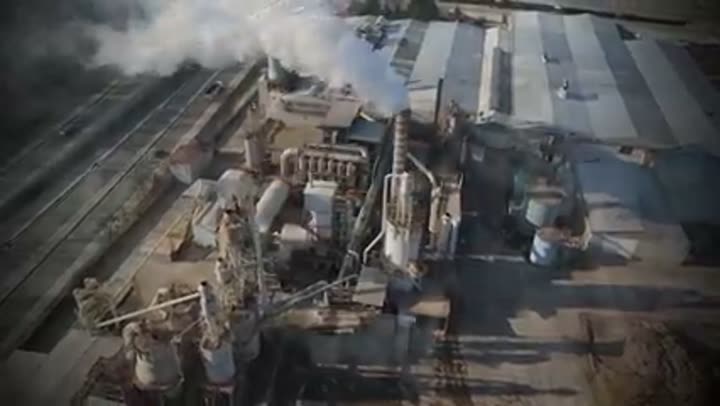
Glasgow, Montana, with about 3,100 residents, might be the most isolated town in the lower 48 states. Everything is far away, with the nearest real city over four hours out. In every direction, there is just open land. This area is also known for fossil discoveries, including one of the most complete T-Rex skeletons ever found. The town even embraces its reputation, calling itself the "middle of nowhere." Without major industry or rapid growth, residents value the distance, the quiet, and the ability to live without constant noise or external pressure.
In a category all its own, Monowi, Nebraska, is the only town in America with a population of one. Elsie Eiler is its sole resident, and has been since 2004. This means she serves as mayor, clerk, and treasurer, all at once, even signing off on her own permits annually to keep the town legally active. She runs a small tavern and a library dedicated to her late husband, drawing curious visitors from across the country. There is no expansion or growth plan, as she stays because it is home, committed to keeping the town alive by herself.
Amidon, North Dakota, is one of the smallest county seats in the country, with just over 20 residents in Slope County, one of North Dakota's least populated areas. The surrounding region averages less than one person per square mile, making it one of the emptiest places in the US. It was also one of the last parts of the state to get electricity and never developed around a railroad. With few services and vast distances, life here is simple and isolated, chosen by those who prefer quiet above all else.
Jordan Valley, Oregon, with about 140 residents, is in the state's southeastern corner, closer to Idaho than any major Oregon city. The area is dry, open, and shaped by ancient volcanic activity, with the Jordan Craters, fields of hardened lava and collapsed tubes, stretching across the land. Ranching remains central, with many families having lived here for generations. Towns are far apart, and neighbors can be miles away, fostering a deep appreciation for space and distance.
Elsie Eiler is its sole resident, and has been since 2004. This means she serves as mayor, clerk, and treasurer, all at once, even signing off on her own permits annually to keep the town legally active.
Union Center, South Dakota, is a remote ranching community with around 200 residents, supporting hundreds of ranchers across a massive stretch of western South Dakota. The county itself is bigger than some US states, yet towns are few and far between. With the nearest city nearly an hour away and open prairie dominating the landscape, life here revolves around cattle and land management. Residents are tied to the land, valuing the open space and independence that are increasingly hard to find.
Mentone, Texas, is the only town in Loving County, the least populated county in the lower 48 states, with around a dozen residents. It features a courthouse and a small post office, but no school or grocery store, necessitating long drives for basic supplies. Despite this extreme isolation, the area sits in the middle of the Permian Basin, one of the most productive oil regions in the country. This stark contrast between remoteness and major economic activity defines the town, with residents staying for oil-related work and a familiarity with living where everything is far away.
Anomalies and Outliers: Geographic Curiosities
Some towns are isolated not just by distance, but by unique geographical positions, cultural quirks, or unusual regulatory environments that set them apart. In one of America's most crowded regions, Norfolk, Connecticut, feels completely removed. This small town of about 600 people in the Litchfield Hills, an hour from Hartford, actively resists chain stores and major development. Winters are colder and snowier than most of the state. Despite its size, Norfolk is known for its long-running chamber music festival. Residents stay for the quiet, tradition, and a slower pace that stands out in the Northeast.
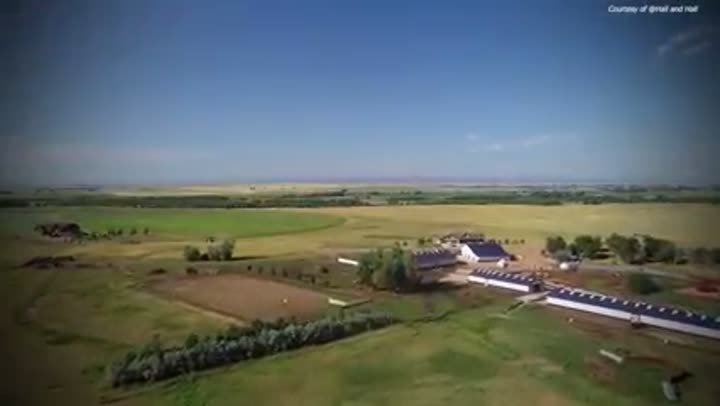
Delaware is small, but Georgetown, with about 8,500 residents, demonstrates how different parts of the state can be. Situated in the middle of Sussex County, surrounded by farmland and away from major highways, the town is built around a circular center, a rarity in the US. Every two years, it hosts a ceremony where political opponents symbolically bury the hatchet, a tradition spanning generations. Life here is tied to agriculture and local community, offering consistency, familiar routines, and strong local ties distant from faster city paces.
Like Indiana, Iowa is often perceived as flat, but Elkader proves otherwise. This town of about 1,200 sits in the Driftless Area, a region glaciers never flattened, characterized by open valleys and limestone cliffs. Elkader also has an unusual name, given in honor of Emir Abd el-Kader, an Algerian leader. After major flooding, aid even came from Algeria. Residents stay for the unique terrain, rich history, and the unexpected features not typically associated with Iowa.
Angle Inlet, Minnesota, is a fascinating geographic anomaly. It is part of the US, but you cannot drive to it without leaving the country. This small piece of Minnesota lies north of the 49th parallel, separated from the rest of the state by Canada. With just over 50 residents, the only land route requires driving through Manitoba and crossing the border. In winter, locals sometimes use an ice road across Lake of the Woods. The town's one-room schoolhouse means students often cross the border multiple times a day. Residents are drawn to the fishing, isolation, and the uniqueness of living in such a geographically unusual place.
Rosedale, Mississippi, is one of the most isolated towns along the Mississippi Delta. With a population of around 1,300, it sits on the river levee, far from major highways and urban centers. The area is prone to flooding, and infrastructure can be inconsistent. Despite this, the town holds deep cultural significance as part of the Mississippi Blues Trail, with ties to artists like Muddy Waters. Life here is slower, closely tied to the river, and residents stay for family connections, cultural history, and a strong sense of place rooted in the Delta.
Kenton, Oklahoma, is the only place in the state that does not run on Oklahoma time, instead observing Mountain Time. With around 20 residents, it is in the far corner of the panhandle, closer to New Mexico and Colorado than most of its own state. This area was once known as No Man's Land, a strip belonging to no state or government for decades. Today, it is quiet, remote, and surrounded by open land near Black Mesa, Oklahoma's highest point. Residents seek isolation, valuing places this empty as increasingly rare.
New Shoreham, Rhode Island, located on Block Island, is a part of Rhode Island unreachable by road. Home to about 1,400 year-round residents, it sits about 12 miles offshore, with access solely by ferry or small aircraft. While the population swells in summer, winters are quieter and more isolated. The island has become a leader in offshore wind energy. Life here depends on weather and ferry schedules, offering a rhythm and level of separation hard to find nearby.
Canaan, Vermont, in the state's Northeast Kingdom, is a place where your backyard can literally be another country. With about 300 residents, it sits right along the borders of Canada and New Hampshire. In some parts of town, residents are just steps away from an international boundary, leading to French being commonly spoken and cross-border connections being part of daily life. The rural area, with its forests, lakes, and long winters, offers a unique mix of isolation and international proximity.
Finally, Green Bank, West Virginia, is one of the only places in America where Wi-Fi is effectively illegal. With fewer than 100 residents, it lies inside the National Radio Quiet Zone, a 13,000 square-mile area where wireless signals are heavily restricted. This is due to the Green Bank Telescope, one of the world's most sensitive radio telescopes, which can be disrupted by even small electronic interference. Cell towers are limited, devices controlled, and an enforcement officer tracks illegal signals. Residents choose this literal and digital quiet, a rare break from constant connectivity.
These towns, scattered across the American landscape, serve as enduring plot twists in the narrative of modern geography. They remind us that the world, even in its most developed corners, remains stranger and more diverse than our neatly drawn maps or conventional understanding might suggest. In their quiet resilience, these communities reveal that the human desire for space, connection to land, and a unique way of life can flourish even in the most improbable and isolated corners, proving that home truly can be anywhere.