The landscape of unauthorized immigration in the United States is far more intricate and geographically diverse than commonly perceived. While popular narratives often focus on border states, the reality is a complex tapestry woven through every corner of the nation, from the remote plains of Montana to the bustling metropolises of the East Coast. With an estimated 14 to 16 million unauthorized immigrants residing in the country, a figure that swells to over 20 million when including their U.S.-born children, the fiscal implications alone are staggering: over $150 billion annually, equating to roughly $1,156 per taxpayer. This unevenly distributed phenomenon reveals how economic necessity, geographic isolation, and specific industry demands shape human movement, creating unique challenges and dependencies that defy simple categorization and demonstrate geography's profound influence on societal realities.
The Remote Outposts: Where Geography Limits Influx
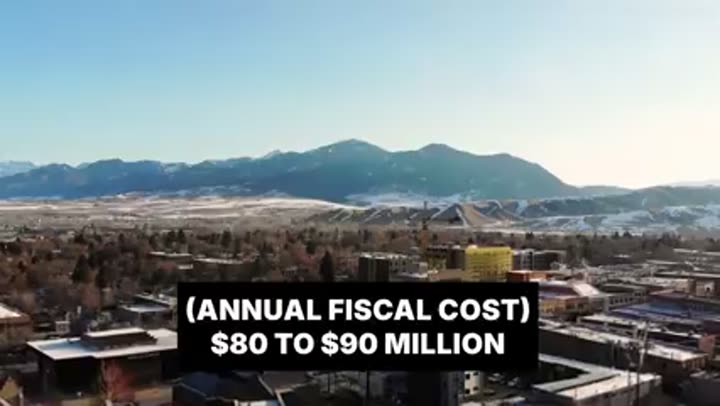
In states defined by their vastness, harsh climates, or sheer isolation, the numbers of unauthorized immigrants remain comparatively low, yet their presence still highlights the relentless pull of economic opportunity. Montana, for instance, hosts approximately 8,000 to 10,000 unauthorized immigrants. Its distance from the southern border and major coastal economies, coupled with sparse population, brutal winters, and limited job markets, makes it one of the hardest states for migration flows to reach. Only about 1 percent of Montana households include an unauthorized immigrant, with an estimated annual fiscal cost of $80 million to $90 million.
Similarly, Vermont, despite its progressive politics, sees tiny numbers, with an estimated 10,000 to 13,000 unauthorized immigrants. Its remote location, small economy, and harsh winters restrict economic pull, leading to an annual fiscal cost of $100 million to $115 million. North Dakota, the Rough Rider state, has roughly 6,000 to 9,000 unauthorized immigrants. The Bakken oil boom significantly increased this population, as energy sector opportunities attracted workers. While some left after energy prices crashed, many stayed, illustrating how economic booms can accelerate unauthorized immigration and how these populations often persist even after the boom subsides, incurring annual costs of about $32 million.
West Virginia, one of the nation's poorest states, once had almost no unauthorized immigrants, but now counts about 6,000 to 9,000. Despite limited jobs, construction and service roles, which most locals avoid, have drawn workers. The state spends around $30 million each year on services for this group. The overall population in West Virginia is shrinking, yet unauthorized immigration continues to rise. A significant event in January 2026 saw ICE conduct a sweep across the state, resulting in the arrest of hundreds of individuals, including those with criminal records for drug trafficking and violent offenses. Wyoming, the Cowboy State, with fewer than 600,000 total residents, has a noticeable 8,000 to 10,000 unauthorized immigrants. Its energy sector and massive ranching industry create a consistent demand for labor that local supply cannot meet, with an estimated annual fiscal cost of $45.2 million.
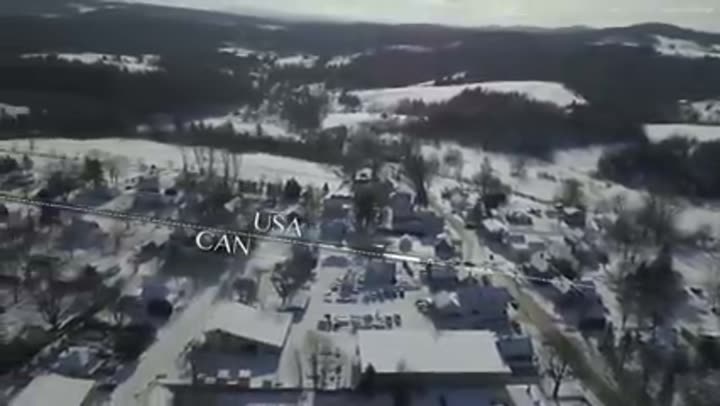
Alaska, another geographically challenging state, hosts around 15,000 to 21,000 unauthorized immigrants, representing about 2 percent of its total population. Many arrive on work visas and overstay. Seafood processing plants, construction projects, and the tourism industry create seasonal demand. The state's high costs, difficulty of access, and harsh climate limit its appeal, but job opportunities in remote industries attract workers willing to take the risk, with annual spending reaching approximately $50 million. Maine, with 12,000 to 16,000 unauthorized immigrants, has experienced noticeable waves of asylum seekers, particularly in Portland, which spent millions converting an arena into an emergency shelter. Maine's agriculture and forestry industries rely on seasonal workers, and its proximity to the Canadian border offers an alternative entry route. The state faces annual costs of about $40 million, illustrating how even small numbers can strain resources in states with limited budgets.
America's Industrial Engine: Labor's Deepest Needs
Far from the immediate pull of border regions, many states find their foundational industries critically dependent on unauthorized labor, creating a complex economic reality that often clashes with political sentiment. South Dakota's meatpacking plants, for example, grapple with a labor shortage, relying on unauthorized immigrants to fill grueling roles in cities like Sioux Falls. The state has roughly 9,000 to 12,000 unauthorized immigrants, about 1 percent of its population, who, alongside documented immigrants, now comprise a significant majority of employees in these facilities. While they add an estimated $36 million in annual fiscal costs, their contributions are vital to a billion-dollar industry amidst a tight labor market and low cost of living.
Mississippi hosts around 34,000 to 45,000 unauthorized residents, approximately 1.2 to 1.5 percent of its population. The state's poultry processing and agricultural sectors significantly employ unauthorized workers. Despite some of the nation's lowest wages, for immigrants from impoverished countries, even Mississippi's pay offers an improvement over conditions at home. The state provides emergency medical care and schooling at an annual cost of approximately $178 million. Idaho, experiencing explosive overall population growth, also has an estimated 62,000 to 83,000 unauthorized immigrants. Its dairy farms, potato harvesting, and construction projects across Boise's rapidly expanding metro area create constant labor demand. The estimated annual fiscal cost is between $550 million and $730 million, highlighting a tension between the state's conservative politics and its economic reliance on immigrant labor.
Nebraska has roughly 56,000 to 75,000 unauthorized residents, about 3 percent of its population, but a much larger share of its agricultural workforce. Meatpacking plants in Omaha, Grand Island, and Lexington heavily depend on these workers. Despite being far from any international border, unauthorized immigration in Nebraska grows steadily, proving that economic demand, not just geography, is a primary driver. The state spends over $400 million annually. Iowa follows a similar pattern, with approximately 55,000 to 74,000 unauthorized immigrants contributing to its meatpacking plants and dairy farms. The state's industrial agriculture relies heavily on immigrant labor, with processing plants in Postville, Marshalltown, and Storm Lake operating with a significant unauthorized workforce. Iowa faces an estimated annual cost of $350 million, and its schools educate over 40,000 English learner students, reflecting the fundamental contradiction of being economically dependent on unauthorized workers while politically opposed to unauthorized immigration.
Alabama, despite enacting HB56 in 2011, one of America's harshest immigration laws, still has an estimated 91,000 to 122,000 unauthorized immigrants, costing the state about $328 million annually. Its experience demonstrates that even strict state-level enforcement struggles to overcome the economic demand for labor in construction, agriculture, and poultry industries. Arkansas has an estimated 97,000 to 131,000 unauthorized immigrants, with tens of thousands of U.S.-born children in households. The state spends about $338 million annually, primarily driven by its dominant poultry industry. Disturbingly, in Salom Springs, worker advocates have documented migrant children as young as 14 working overnight shifts in ammonia-soaked chicken houses, catching thousands of live birds for $170 per shift, regardless of hours. Kentucky's unauthorized immigrant population has almost doubled since 2016, from about 35,000 to an estimated 69,000 to 94,000. The state's horse farms, bourbon distilleries, construction sector, and manufacturing plants create ongoing demand, with annual spending reaching about $281 million. This rapid growth, far from any border, highlights how quickly numbers can escalate, with the Kentucky Equine Education Project noting that labor shortages make undocumented workers a necessity.
The Beaver State's progressive healthcare policies create a significant fiscal burden, and it shows how generous state benefit policies sustain unauthorized populations and drive up costs even without population growth.
Kansas has an estimated 104,000 to 140,000 unauthorized immigrants, contributing tens of thousands of children to its schools, with annual costs around $600 million. Beef and pork processing facilities in Garden City, Dodge City, and Liberal rely heavily on immigrant labor; without them, the state's agricultural processing industry would face severe operational challenges. Missouri, with about 77,000 to 104,000 unauthorized immigrants, sees their presence contribute tens of thousands of children to its school system, costing over $338 million annually. Its central location makes it accessible from multiple directions, and its agriculture and manufacturing sectors provide abundant economic opportunities, proving that economic pull, not just geography, is the primary driver. Oklahoma mandates E-Verify for all employers, yet an estimated 136,000 to 183,000 unauthorized immigrants still reside there, costing taxpayers around $700 million annually. This situation makes a clear point: verification systems alone cannot solve unauthorized immigration when economic demand remains strong in the oil and gas, agriculture, construction, and service sectors, often pushing employment underground rather than eliminating it.
Louisiana has an estimated 97,000 to 131,000 unauthorized immigrants, many working in construction and hospitality, particularly in post-Katrina rebuilding efforts. The state spends about $364 million annually, and its complex topography, wetlands, ports, and extensive Gulf coastline create ongoing enforcement challenges. Wisconsin has approximately 111,000 to 150,000 unauthorized immigrants, with tens of thousands of students in its schools having undocumented parents. The state spends about $900 million per year. Wisconsin's dairy industry would face severe challenges without immigrant labor, as farms across the state depend on these workers. The Badger State's aging population and low unemployment create labor shortages that unauthorized workers fill, making enforcement politically complicated due to the economy's reliance on this labor. South Carolina, despite creating one of America's first specialized illegal immigration enforcement units, still has an estimated 117,000 to 157,000 unauthorized immigrants, costing the state an estimated $586 million annually. Its aggressive enforcement stance has not stopped the flow, as economic demand in construction, agriculture, and tourism continues to outweigh efforts to crack down. Indiana, with an estimated 154,000 to 207,000 unauthorized immigrants, enforces E-Verify with strict federal employment rules. Despite this, numbers remain high, with an estimated annual fiscal cost of $1.3 billion to $1.8 billion. The state's manufacturing, construction, and agriculture sectors create thousands of jobs, reinforcing the pattern that state-level enforcement measures hit a ceiling when federal policy is unchanged and economic demand for labor persists.
The Urban Gravitational Pull: Metropolitan Centers and Spillover Effects
The allure of economic opportunity in major metropolitan areas, coupled with spillover effects from adjacent economic powerhouses, drives significant unauthorized immigration, often far exceeding the numbers in more remote regions. New Hampshire, for example, hosts approximately 14,000 to 19,000 unauthorized immigrants. Its appealing job opportunities and high quality of life are major draws, particularly its proximity to Boston, which creates an economic spillover where people access Massachusetts jobs while living in a lower-cost state. The estimated annual fiscal cost is around $155 million.

Delaware, one of America's smallest states, has a substantial 35,000 to 47,000 unauthorized immigrants, making up roughly 3.5 to 4.5 percent of its total population. Its poultry industry is a major employer, and its proximity to Philadelphia and Baltimore generates economic opportunities that attract people. The estimated annual fiscal cost runs between $310 million and $410 million. Rhode Island, America's smallest state, carries an outsized unauthorized immigrant population of roughly 42,000 to 57,000 people, or about 4 to 5 percent of all residents. Its location between Boston and New York creates a powerful economic pull, drawing workers to manufacturing plants and service jobs, resulting in an estimated annual fiscal cost of $370 million to $500 million. The state's small geography means a larger impact on schools, hospitals, and public services. Connecticut, estimated to have approximately 167,000 to 225,000 individuals living without legal authorization, is heavily influenced by its proximity to New York City. Workers access one of the world's largest job markets while living in a slightly lower-cost state. The estimated annual fiscal cost is approximately $1.3 billion, with construction, hospitality, and service sectors employing thousands, including roughly one in four construction workers being immigrants.
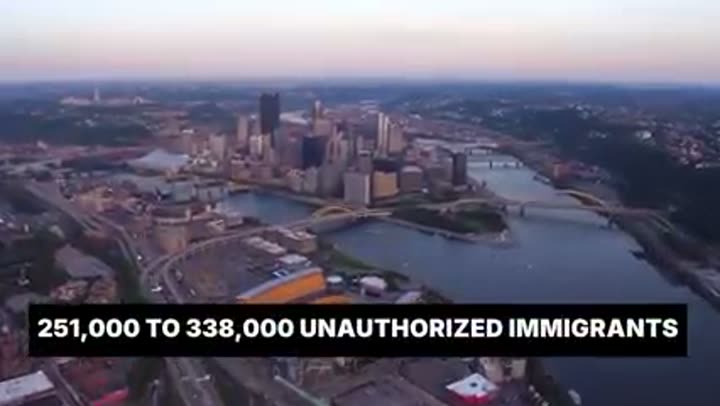
Ohio has an estimated 132,000 to 178,000 unauthorized immigrants, with a significant increase of roughly 75,000 between 2021 and 2023. The state now spends an estimated $1 billion or more annually. Ohio's economic revival has created unexpected labor demand, with manufacturing and service sectors growing rapidly in Columbus, Cleveland, and Cincinnati, pulling in workers. This challenges the assumption that unauthorized immigration concentrates only in Sun Belt or coastal states. Tennessee, the Volunteer State, has an estimated 162,000 to 218,000 unauthorized immigrants, who have added tens of thousands of children to its schools, costing over $500 million yearly in K-12 spending alone. Nashville's explosive growth has attracted workers faster than legal immigration can accommodate, creating constant demand in construction, healthcare, and manufacturing. Pennsylvania has an estimated 251,000 to 338,000 unauthorized immigrants, an increase of approximately 75,000 between 2021 and 2023. The state spends an estimated $1.6 billion to $2.7 billion annually, including schooling for tens of thousands of children. Philadelphia and Pittsburgh have significant immigrant communities, and the state's agriculture, construction, and service sectors maintain ongoing demand.
Virginia has reached a significant milestone with an estimated 419,000 to 563,000 unauthorized immigrants. The primary driver is the economic gravity of Washington D.C., with Northern Virginia acting as the engine room for the nation's capital. The construction, landscaping, and hospitality sectors rely on a constant influx of labor to keep up with the region's explosive growth. This comes with a substantial fiscal footprint, as Virginia taxpayers spend roughly $1.6 billion annually just on K-12 education for children from these households. Maryland's unauthorized population has climbed to an estimated 350,000 to 471,000, mirroring Virginia, as its proximity to D.C. creates a relentless vacuum for construction and hospitality labor. Nearly one in five workers in Maryland is an immigrant, and approximately 7 percent of the entire workforce is unauthorized, indicating a structural dependence. This deep integration comes with a heavy fiscal reality, as state and local governments spend over $1 billion annually on healthcare and education.
Washington state has an estimated 346,000 to 466,000 unauthorized immigrants, with a significant share of its workforce being unauthorized, among the higher percentages nationally. The state spends over $1.1 billion annually and has extended state-funded health insurance to some undocumented adults. Agriculture, Seattle's tech construction boom, and service industries all drive demand, reflecting an absurd reliance on unauthorized workers that many industries simply cannot function without. Michigan has an estimated 185,000 to 248,000 unauthorized immigrants, with its population rising alongside the Great Lakes state's manufacturing rebound. Detroit and its surrounding hubs have seen a resurgence in manufacturing and agriculture, creating a non-stop hunger for labor. The estimated annual fiscal cost is approximately $1.6 billion to $2.2 billion, with established immigrant networks acting as a social safety net. Nevada stands out with an estimated 293,000 to 395,000 unauthorized immigrants, boasting the nation's highest share of households containing an unauthorized immigrant, one in ten according to Pew Research Center. Roughly 9 percent of its entire workforce is unauthorized, one of the highest percentages in the country. The estimated annual fiscal cost runs between $2.6 billion and $3.5 billion. Undocumented workers fuel Las Vegas hospitality and construction on a large scale, as the entertainment economy creates unique demands that legal immigration channels cannot fully meet.
Colorado is estimated to have approximately 278,000 to 374,000 unauthorized immigrants. In 2023, Denver alone allocated $24 million to support new migrant arrivals, while statewide, taxpayers pay an estimated $1 billion or more annually. Colorado's booming economy, encompassing tech, construction, tourism, and hospitality, creates massive labor demand, with ski resorts, farms, and construction sites all depending on immigrant workers. Utah has an estimated 137,000 to 185,000 unauthorized immigrants who form the backbone of the state's booming construction sector. Tens of thousands of K-12 students have an undocumented parent, and annual costs run approximately $726 million. Utah's pragmatic approach reflects economic necessity, as the state's growth would considerably slow without its immigrant workforce, documented or not. Oregon has an estimated 181,000 to 243,000 unauthorized immigrants. Unusually, its population did not grow from 2021 to 2023, making it the only state with a population over 100,000 unauthorized immigrants where the group did not increase. More than 50 percent of Oregon's unauthorized residents have lived in the U.S. for 20 years or longer. Even so, Oregon spends about $750 million annually, offering undocumented residents full access to Medicaid. Minnesota's unauthorized immigrant population has roughly doubled since 2010, now up to an estimated 140,000 to 187,000. Drawn by a strong economy, low unemployment, and comprehensive social services, these residents play vital roles in industries like meatpacking, agriculture, and healthcare. Despite annual costs near $1 billion, their integration includes tens of thousands of U.S.-born children, indicating that favorable policies and job availability make Minnesota a key destination. Additionally, since late 2023, Minnesota has allowed residents to obtain a driver's license regardless of immigration status. Illinois, with an estimated 628,000 to 845,000 unauthorized immigrants, has become a flashpoint for the debate over sanctuary policies and public spending. In 2025, the state is believed to have spent a total of $2.5 billion on migrant care. A major driver of this cost is a state-funded medical program that alone swallowed $1.6 billion, overrunning its budget by $400 million. Chicago, while a major immigrant hub, now faces budget shocks affecting all taxpayers due to rising costs and a lack of strict fiscal planning for welcoming policies. New Jersey has an estimated 697,000 to 937,000 unauthorized immigrants and one of the highest shares of unauthorized workers nationally, approximately 9 percent of the entire labor force. Despite its relatively small size, the state spends roughly $3.5 billion per year. Proximity to New York City and Philadelphia creates a massive economic spillover, with construction, hospitality, landscaping, and service industries employing huge numbers of unauthorized workers. New York is experiencing a fiscal transformation that has pushed even the world's wealthiest city to its limits. Official records from the New York City comptroller show that New York City alone has spent approximately $8.2 billion to $9.2 billion cumulatively on asylum seeker services through the end of fiscal year 2025. The state is home to an estimated 1,081,000 to 1,453,000 unauthorized residents, and the sheer scale has overwhelmed years of careful resource planning.
The Borderland Burden: States on the Front Line
For states directly bordering Mexico, the dynamics of unauthorized immigration are fundamentally shaped by geographic proximity, leading to unique and often overwhelming challenges in resource management and enforcement. New Mexico has an estimated 119,000 to 160,000 unauthorized immigrants, roughly 5.5 to 7.5 percent of its population. Proximity to the Mexican border means a non-stop influx and strained local resources. Because the state's economy and budget are limited, even average numbers can cause significant fiscal strain. The estimated annual fiscal cost is approximately $1 billion to $1.4 billion. The state continues to grapple with persistent issues related to border control and effective resource distribution.
Arizona, with an estimated 453,000 to 610,000 unauthorized immigrants, has numbers down from its 2007 peak, but still among the highest in the nation. One Yuma hospital alone absorbed $26 million in unpaid migrant medical bills in a single year. Arizona implemented SB 1070 and other strict enforcement measures, which did reduce numbers from their peak, but the state's agriculture, construction, and hospitality sectors still create significant demand. Arizona's experience is notable: aggressive enforcement can reduce numbers, but cannot eliminate unauthorized immigration when underlying economic incentives remain intact. Texas has an estimated 2.05 million to 2.1 million unauthorized immigrants, now just barely behind California. Texas taxpayers have spent billions on border security in recent years, with the Congressional Budget Office estimating $2.5 billion in border security spending in 2023 alone. In fiscal year 2025, hospitals logged over 313,000 visits by unauthorized immigrants, costing over $1.05 billion in healthcare. In December 2023, Governor Abbott signed SB4, a law making illegal immigration a state crime and permitting arrests for crossing outside official ports of entry. Despite massive enforcement spending and groundbreaking legislation, numbers in Texas remain in the millions.
Rapid Transformation: States Undergoing Demographic Shifts
A distinct category of states faces not just the presence of unauthorized immigrants, but a rapid, almost instantaneous surge that tests infrastructure and budgets to their breaking points. Massachusetts is experiencing a fiscal shockwave. With an estimated 292,000 to 393,000 unauthorized immigrants and about 7 percent of its workforce unauthorized, the Bay State saw its population increase by roughly 75,000 in just two years. This was not a slow build, but a demographic tidal wave. By 2023, the state was spending $45 million every month just on housing. With total costs for 2025 exceeding $1 billion, even for a wealthy state, the sheer speed of this influx triggered a genuine crisis, proving that when numbers move this fast, even the strongest infrastructure reaches a breaking point.
North Carolina is undergoing one of the nation's fastest demographic shifts. With an estimated 488,000 to 657,000 unauthorized immigrants, roughly 1 in 50 residents is unauthorized, and they represent a significant share of all K-12 students. Taxpayers are estimated to spend approximately $1.47 billion annually on K-12 education alone for children from unauthorized households, with total costs across all services being significantly higher. Georgia has an estimated 514,000 to 692,000 unauthorized immigrants. Similar to Massachusetts, the state's undocumented population jumped by roughly 75,000 from 2021 to 2023 alone. Georgia spends an estimated $2.4 billion or more annually on education, health, and law enforcement. The Peach State implemented task force enforcement models, granting officers authority to question suspected unauthorized individuals, yet numbers continue to rise despite strong efforts to reduce them.
Texas taxpayers spent billions on border security in recent years, with the Congressional Budget Office estimating $2.5 billion in border security spending in 2023 alone.
Florida has reached an estimated 1.6 million unauthorized immigrants, recording the fastest growth rate in America. In a remarkable two-year window from 2021 to 2023, the population grew by roughly 700,000, a 78 percent increase that altered the state's demographics almost overnight. According to Pew Research Center, Florida now has the highest percentage of unauthorized immigrants among its total population at 7.1 percent, and unauthorized workers make up roughly 9 percent of the entire workforce. While the annual fiscal cost is a heavy $5.5 billion, the pull factors are undeniable, and despite aggressive enforcement, the surge has continued.
California's Enduring Challenge: Scale and Complexity
California stands in a league of its own, representing the zenith of America's unauthorized immigration challenge, both in terms of sheer numbers and profound fiscal and political impact. The Golden State has an estimated 2.25 million to 2.3 million unauthorized immigrants, the largest population in America. This scale translates into the highest costs nationally, approximately $22.8 billion per year on unauthorized immigrants alone, a figure that rises to nearly $31 billion when U.S.-born children of unauthorized immigrants are included. California spends over $10 billion annually just educating K-12 students in these households.
Sanctuary policies, its extensive border with Mexico, and one of the world's largest economies create conditions that drive immigration at maximum scale. California's fiscal burden impacts every facet of public life, from schools and hospitals to housing. The state encapsulates the full scope and complexity of America's unauthorized immigration challenge, with no other state coming close on numbers, costs, or political impact, embodying a unique and enduring conundrum.
The journey across America, state by state, reveals a narrative far more complex than simple headlines suggest. From the remote corners where economic necessity carves out a niche for a few thousand, to the industrial heartlands where critical sectors depend on an unseen workforce, and finally to the sprawling metropolises and border regions grappling with millions, the story of unauthorized immigration is a testament to the intricate interplay of geography, economics, and policy. It is a world where the lines on a map often mean less than the demand for labor, and where the human drive for opportunity continually reshapes the very fabric of our nation, proving that the world is indeed stranger, and more interconnected, than our school atlases ever taught us.