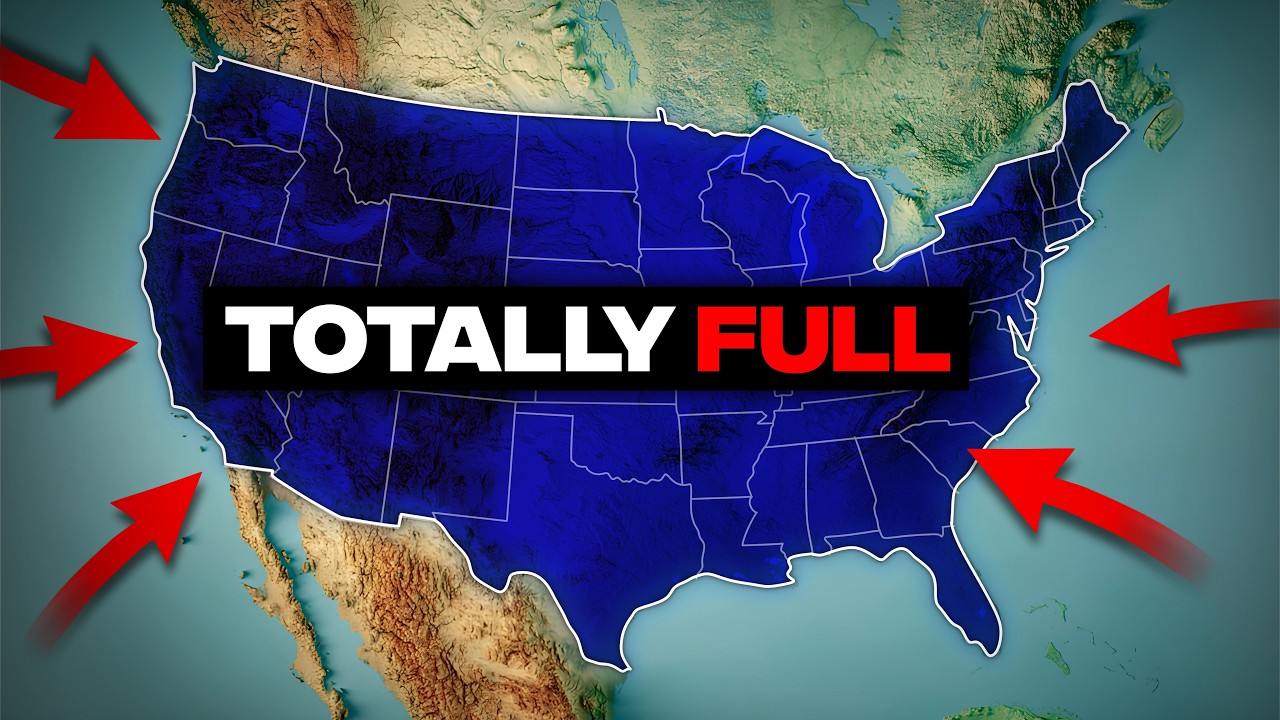
America's urban centers, long celebrated as engines of innovation, culture, and opportunity, are facing an unprecedented paradox. For decades, the narrative has been one of relentless growth, drawing populations inward with the promise of prosperity and vibrant city life. Yet, a striking counter-trend is emerging: a significant exodus from some of the nation's most iconic metropolises. From the sun-drenched boulevards of Los Angeles to the historic streets of Boston, a combination of soaring living costs, pervasive crime, and economic instability is compelling residents to seek new horizons, fundamentally reshaping the demographic landscape of the United States. This isn't merely a shift, but a profound re-evaluation of what constitutes the "American Dream" in an urban setting.
The Fading Luster of America's Metropolises
The allure of big city life, with its dense cultural offerings and economic dynamism, has historically been a powerful magnet. However, a closer look at several prominent U.S. cities reveals a different reality, one marked by a steady outflow of residents. This trend, accelerating in recent years, points to deep-seated challenges that are eroding the foundations of urban appeal. What were once considered minor inconveniences, such as traffic or occasional crime, have escalated into systemic issues that fundamentally impact quality of life and financial stability. Consider Minneapolis, Minnesota, a city of lakes and an innovative economy, serving as the county seat of Hennepin. With a population of approximately 439,430 residents spread across 57 square miles, it boasts a robust industrial base ranging from software to renewable energy. Despite these advantages and its scenic waterways, the city has been profoundly affected by recent events. The devastating impact of the previous pandemic, coupled with its notoriously long and cold winters, has motivated many to seek residence elsewhere. The local economy has struggled, with thousands losing or changing jobs, pushing the unemployment rate to a staggering 10.08 percent, significantly higher than the national average of 3.5 percent. This economic strain has unfortunately coincided with a wave of violent crime, elevating the city's crime rate by 18 percent and earning Minneapolis a spot among the most violent cities in America. Incidents of robbery, rape, and aggravated murders have become alarmingly common. Former residents, like Julie Orden, recount countless 911 calls due to gunshots near her Northside home, while Marnette Gordon's son was tragically shot while getting gas, stark reminders of the pervasive insecurity driving people away.
The Unbearable Weight of Urban Living
Aerial view of a bustling American metropolis, its luster potentially fading.
Perhaps the most significant factor driving residents from these urban centers is the sheer, unyielding cost of living. The dream of city life often collides with the harsh reality of exorbitant expenses, particularly for housing. This financial burden forces many to choose between enduring a constant struggle or relocating to more affordable locales. The statistics paint a stark picture across the nation. In Chicago, Illinois, despite being a cultural center with a diversified economy, the cost of living is a considerable deterrent. It costs 33 percent more to live here than in other cities in Illinois and 25 percent more than the national average, placing immense strain on residents' finances. Similarly, Denver, Colorado, known as the Mile High City, presents a beautiful backdrop of ski slopes and mountain views, yet living here is 8 percent more expensive than in other state cities and 12 percent more expensive than the national average. Even Detroit, Michigan, the historic Motor City, once a symbol of American industrial might, now contends with a cost of living that is 14 percent more expensive than in other cities in the state and 3 percent more than the national average. The situation escalates dramatically on the coasts. Boston, Massachusetts, rich in American history and popular attractions, is one of the most expensive cities in the U.S. The cost of living is approximately 48 percent more expensive than the national average, a figure that is not a typo. This financial pressure contributed to the Boston metro area losing nearly 37,000 residents between 2020 and 2021, representing a decline of almost one percent of its entire population. Seattle, Washington, the Emerald City, offers easy access to nature and a thriving economy, but its cost of living is 36 percent more expensive than the state average and a staggering 54 percent more expensive than the national average.
Washington D.C. is currently ranked in the top one percent of the most expensive cities in the world, making living there a literal pain in the pockets.
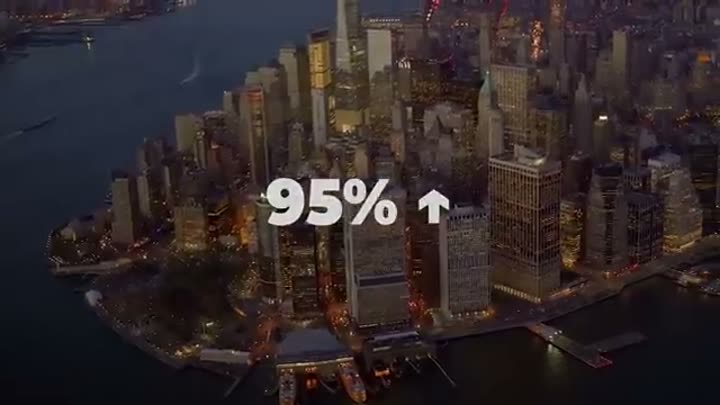
The nation's capital, Washington D.C., a rapidly growing seat of government attracting young upstarts, is unbelievably expensive. It is currently ranked in the top one percent of the most expensive cities in the world, rendering living there a literal pain in the pockets. New York City, New York, the most densely populated city in the United States, lives up to its reputation as one of the most expensive cities globally. The cost of living here is 26 percent higher than the state average and an astonishing 95 percent more than the national average. While many point to skyrocketing rents, the overall financial burden encompasses far more. Finally, California's major cities demonstrate an extreme version of this trend. Los Angeles, the largest city in California, is 7 percent more expensive than other California cities and 51 percent more expensive than the state average. San Francisco, the fourth largest city in California and arguably one of its most beautiful, faces extreme housing costs. It costs 38 percent more to live here than in other state cities and 94 percent more compared to the national average, with housing alone being up to 238 percent more expensive than the national average, a figure that is enough to leave a significant portion of residents on the streets.
Economic Undercurrents: Jobs, Wages, and the Bottom Line
Beyond the raw cost of living, the availability and quality of employment opportunities play a critical role in urban migration patterns. A city might be vibrant, but if its job market cannot support its residents, especially in the face of high expenses, an exodus becomes inevitable. Many of the cities experiencing population declines also grapple with challenging employment landscapes. In Chicago, despite its diversified economy, finding a job can be unexpectedly difficult. The unemployment rate stands at 4.3 percent, which is higher than the national average, with the job market currently described as being "in the slums." This lack of professional opportunity, combined with the city's high cost of living, places an enormous strain on locals. Detroit, Michigan, once the automotive center of the world, faces an "abysmally high" rate of unemployment, which at 7.2 percent, is more than double both the state and national averages. For residents of Detroit, not only are job opportunities scarce, but the cost of living also adds to their financial woes. Washington D.C., despite its status as a rapidly growing hub for young professionals, also suffers from a challenging job market. The unemployment rate here is 4.6 percent, exceeding both the state and national averages. For those living in the capital, the struggle to stay afloat often means working oneself to the bone, yet 15.5 percent of the city's population lives below the poverty line. New York City, with its thriving economy and status as a city that never sleeps, paradoxically has a poor job market for many. Its unemployment rate sits at 5.9 percent, significantly higher than the national average. Even in Los Angeles, the job market offers little comfort, with an unemployment rate that is significantly higher than the national average, contributing to the city's struggle to retain its residents. While Denver boasts a job market that is "doing quite well," this positive aspect is often overshadowed by other concerns, offering little consolation to residents facing other urban challenges.
Shadows on the Pavement: Navigating Rising Crime
New York City skyline with a 95% increase indicator, reflecting economic pressures.
Safety and security are fundamental human needs, and when the perception or reality of crime escalates, it inevitably drives residents away. Many of the cities seeing an outflow of people are simultaneously battling concerning surges in crime rates, transforming once-bustling streets into zones of anxiety. Minneapolis, already contending with economic hardship and harsh winters, has seen its crime rate increase by 18 percent, earning it a place among America's most violent cities. This surge encompasses robbery, rape, and aggravated murders, creating a climate of fear. The anecdotes are chilling: Julie Orden, a former resident, frequently had to dial 911 due to gunshots near her Northside home, and Marnette Gordon's son was tragically shot while getting gas, illustrating the very real dangers faced by residents. In Chicago, the situation is equally grim, with the city considered safer than only 10 percent of the country's cities. Residents face a 1 in 103 chance of being victims of violent crimes, a risk many are no longer willing to take. Denver's crime rate is more than double both the state and national averages, presenting residents with a 1 in 113 chance of becoming victims of violent crimes. This alarming statistic is a significant factor in people's decisions to leave. Detroit, already struggling economically, faces an even more dire crime situation. Its crime rate is at least four times higher than in other cities in the state, and residents face a daunting 1 in 44 chance of being a victim of violent crime. This pervasive insecurity means it is "not uncommon to see residents looking over their shoulders on the streets." Boston, despite its historical charm, is only safer than 19 percent of American cities, indicating a significant concern for residents regarding personal safety. Seattle also reports frightening odds, with a 1 in 152 chance of being a victim of violent crimes on its streets, and even higher chances of home robbery, placing its crime rate above both state and national averages. New York City, a global icon, has seen a dramatic increase in its crime rate, which jumped 44 percent since the start of 2022. This surge means residents now face a 1 in 172 chance of being a victim of violent crime, a rate higher than both the state and national averages. Los Angeles, another major Californian city, contends with a crime rate that is almost double the state and national averages. The situation in San Francisco is particularly alarming. The _San Francisco Chronicle_ reports that a staggering 45 percent of the city's residents have been victims of violent crimes, a statistic that underscores a widespread sense of insecurity and contributes significantly to the departure of nearly 20,000 residents in just three months. While Washington D.C.'s crime rate is on par with state and national averages, it offers "no comfort of safer streets," adding to the confluence of factors driving people away.
Beyond the Concrete Jungle: The Environmental Toll
Handcuffed individual, symbolizing the rising crime rates in American cities.
While economic and social factors often dominate discussions of urban flight, environmental conditions, particularly severe weather, can also play a significant role in residents' decisions to relocate. For some cities, the climate itself becomes an additional burden, diminishing the quality of life despite other potential attractions. Minneapolis, for instance, is not only contending with economic and crime issues but also with its famously harsh climate. Residents frequently complain about its winters, which are described as "very long and very cold." This prolonged period of inclement weather, year after year, contributes to a sense of seasonal affective disorder and limits outdoor activities, making the prospect of warmer, sunnier climes highly appealing. Similarly, Seattle, Washington, known as the Emerald City for its lush, green landscapes, comes with a significant environmental trade-off. The city experiences "way too many dark and gloomy days in winter" and "enough rainy days to leave you feeling blue for most of the year." This persistent lack of sunshine can profoundly impact mood and lifestyle, leading many residents to seek new routes with more consistent sunlight. Even Detroit, despite its many challenges, boasts an average of 183 good sunny days, a small comfort in a city otherwise struggling. These environmental factors, while perhaps less dramatic than rising crime or costs, subtly erode the appeal of urban living for many, nudging them towards places where the natural environment is less of a persistent challenge.
California's Shifting Sands: An Exodus from the Golden State
California, long perceived as a land of opportunity and idyllic living, is now witnessing a significant reversal of fortune, with its largest cities experiencing a notable exodus. The wave of residents moving out began last year and accelerated dramatically in 2022, suggesting a broader loss of luster for the Golden State. Los Angeles, with its population of approximately 3,919,973 residents sprawling across 469 square miles, is a prime example. Despite its "Great Outdoors," world-class cuisine, and pleasant weather, the city is struggling to retain its inhabitants. The cost of living is a major deterrent, being 7 percent more expensive than in other California cities and 51 percent more expensive than the state average. The job market also offers little comfort, with an unemployment rate significantly higher than the national average. Coupled with a crime rate that is almost double the state and national averages, these factors explain why Los Angeles is failing to hold onto its residents. San Francisco, the fourth largest city in California, home to about 887,711 residents within a compact 46.9 square miles, is arguably one of the most beautiful cities in the United States. Yet, it has seen the highest number of departing residents in recent times. Nearly 20,000 residents moved in the last three months alone, primarily driven by housing costs that are "through the roof." The overall cost of living is extremely high, 38 percent more than in other state cities and 94 percent more compared to the national average. Housing specifically can be up to 238 percent more expensive than the national average. This financial burden is compounded by a dire crime situation, with the _San Francisco Chronicle_ reporting that an astonishing 45 percent of the city's residents have been victims of violent crimes. This confluence of unaffordability and pervasive insecurity is rapidly diminishing San Francisco's once-unquestionable appeal.
From Motor City to Mile High: Diverse Urban Struggles
San Francisco's iconic Painted Ladies, representing California's urban landscape.
Beyond the coastal metropolises, cities in the nation's interior are also grappling with unique combinations of challenges that are prompting residents to reconsider their futures. From the industrial heartland to the Rocky Mountains, the forces driving urban flight manifest in distinct yet equally compelling ways. Detroit, Michigan, often known as the Motor City, is a large urban center in Wayne County, with a population of approximately 635,596 residents on 138.7 square miles. Famous for its automotive heritage, it also boasts an average of 183 good sunny days, an iconic music scene, and a robust business atmosphere for new ventures. However, despite these perks, the city has been on a decline for some time. The "abysmally high" unemployment rate of 7.2 percent, more than double the state and national averages, signifies a profound lack of job opportunities. This economic hardship is exacerbated by a cost of living that is 14 percent more expensive than in other cities in the state and 3 percent more than the national average. Adding to these burdens is a crime rate that is at least four times higher than in other cities in the state, with residents facing a 1 in 44 chance of being a victim of violent crime, making it common to see people looking over their shoulders on the streets. Meanwhile, Denver, Colorado, the most populous city in the state, with about 738,594 residents on 153 square miles, is also struggling to retain its population. Known as the Mile High City, it is celebrated for its famed ski slopes, beautiful mountain views, and an interesting blend of big city life and culture. However, it also has an "extremely high cost of living," being 8 percent more expensive than other state cities and 12 percent more expensive than the national average. While Denver may have a relatively good job market, this offers little consolation when residents face a crime rate that is more than double the state and national averages, presenting a 1 in 113 chance of being victims of violent crimes. This risk is one that many people are increasingly unwilling to take.
The Eastern Seaboard's Expensive Embrace
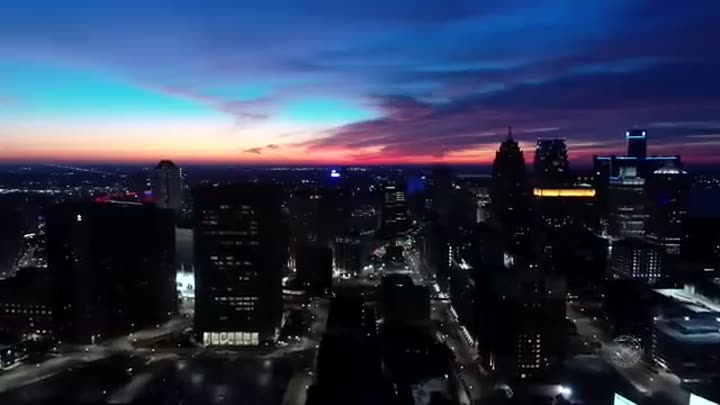
Detroit's skyline at dusk, illustrating the challenges faced by Motor City.
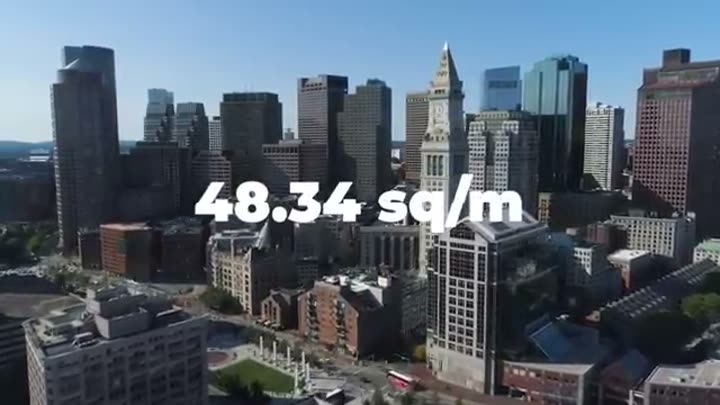
The historic and influential cities of the Eastern Seaboard, often seen as bastions of tradition and power, are not immune to the pressures driving urban populations away. Here, the confluence of extreme costs, persistent crime, and competitive job markets creates a formidable barrier to long-term residency. Boston, Massachusetts, a well-known city with a population of approximately 693,417 residents on 48.34 square miles, is celebrated for its rich American history, popular attractions, and delicious food. However, it is also one of the most expensive cities in the U.S., with a cost of living about 48 percent more expensive than the national average. This financial strain contributed to the Boston metro area losing nearly 37,000 residents, a decline of almost one percent of its entire population, between 2020 and 2021. Furthermore, Boston, also known as the "city on a hill," has an alarming rate of crime, making it safer than only 19 percent of American cities. New York City, New York, with a massive population of about 8,930,002 residents on 300 square miles, is the most densely populated city in the United States. It is globally recognized as vibrant, diverse, and a city that never sleeps, boasting a thriving economy. Yet, it is also notoriously the most expensive city to live in. The cost of living is 26 percent higher than the state average and a staggering 95 percent more than the national average. Beyond the financial burden, New York City also contends with a poor job market, evidenced by an unemployment rate of 5.9 percent, which is significantly higher than the national average. Crime is another major concern, having jumped 44 percent since the start of 2022, giving residents a 1 in 172 chance of being a victim of violent crime, a rate higher than both the state and national averages.
While the nation's capital stands tall as the seat of government, rapidly growing and attracting young upstarts from all over the world, it is unbelievably expensive to live here.
Washington D.C., with a population of approximately 707,109 residents on 61 square miles, struggles to retain its numbers. While the nation's capital stands tall as the seat of government, rapidly growing and attracting young upstarts from all over the world, it is unbelievably expensive to live here. It is ranked in the top one percent of the most expensive cities in the world. This high cost is compounded by a challenging job market, with an unemployment rate of 4.6 percent, higher than both the state and national averages. For many, living in D.C. means working tirelessly to stay afloat, yet 15.5 percent of the city's population lives below the poverty line. The city's crime rate, which is on par with state and national averages, offers no additional comfort of safer streets, making it yet another reason for residents to consider moving out.
A National Bellwether: The Broader Implications of Urban Flight
Boston skyline with data overlay, highlighting the high cost of urban living.
The collective stories of Minneapolis, Chicago, Denver, Detroit, Boston, Seattle, Washington D.C., New York City, Los Angeles, and San Francisco paint a compelling picture of an urban landscape in flux. The traditional narrative of inexorable metropolitan growth is being challenged by a complex interplay of economic pressures, public safety concerns, and quality of life compromises. From the biting winters of the Midwest to the scorching costs of the West Coast, the factors compelling residents to leave are diverse, yet coalesce around fundamental issues of affordability, security, and opportunity. This isn't merely a localized phenomenon but a national bellwether, signaling a profound re-evaluation of the urban compact. The patterns emerging from these cities underscore that the world, far from being a static map learned in school, is a dynamic tapestry woven with unexpected plot twists and shifting demographics. The notion that certain cities are eternally desirable or impervious to decline is being thoroughly debunked by the lived experiences of millions. As residents seek better professional lives, lower taxes, safer environments, or simply more sunshine, the very definition of a "great American city" is being rewritten before our eyes. The geography of aspiration is changing, proving once again that the world is often stranger, and more complex, than we were taught.