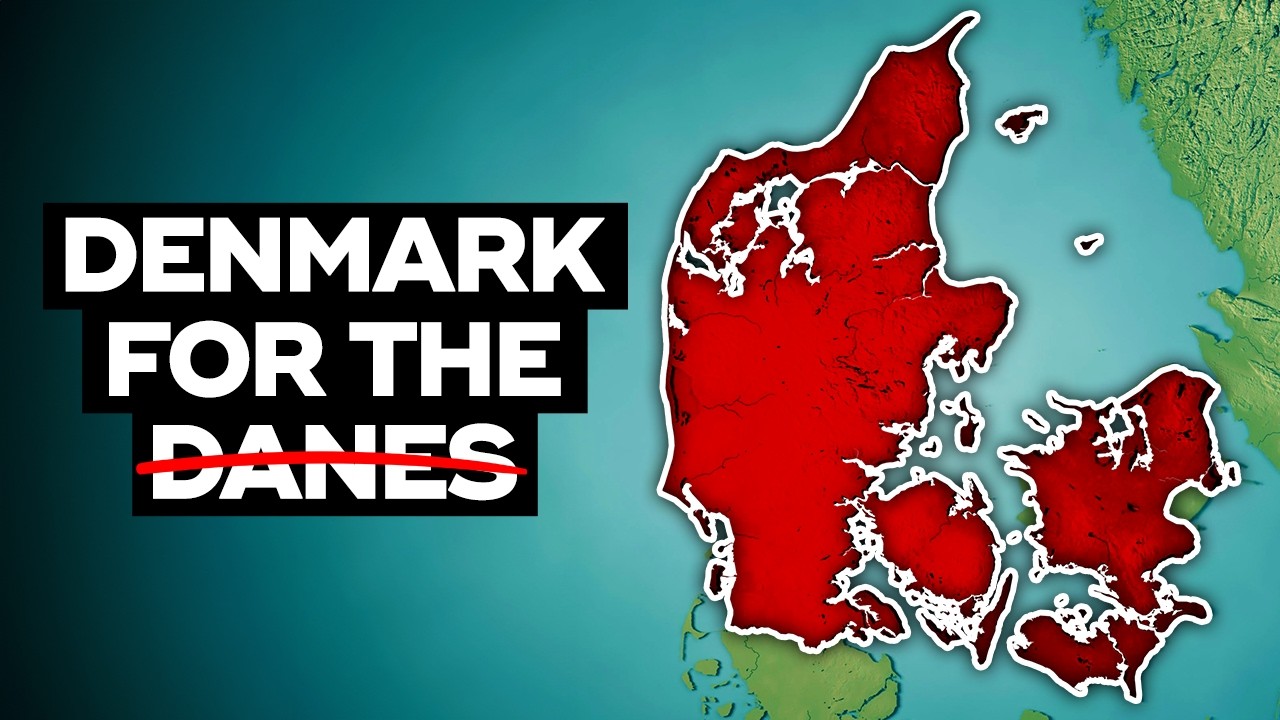
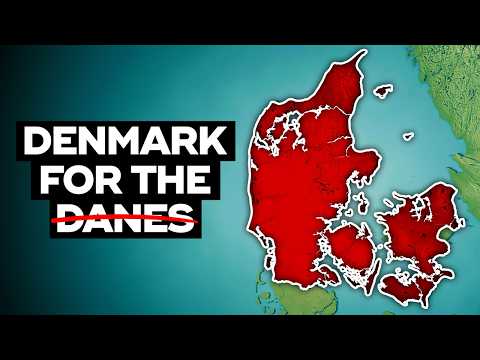
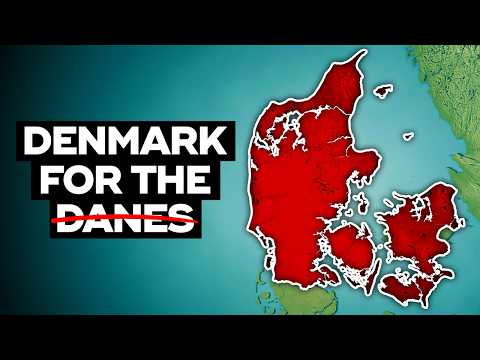
Denmark, a nation synonymous with hygge, social democracy, and a famously happy populace, has quietly undergone one of the most profound political transformations in modern European history. This small Scandinavian kingdom, long a beacon of humanitarian values and universal welfare, has pivoted from open arms to an iron-clad border, dismantling its reputation as a welcoming haven. Today, it stands as a stark example of a society grappling with the perceived costs of diversity, implementing policies so stringent they have shocked the world and earned the condemnation of international human rights bodies. How did a country of just over 6 million people, known for its progressive ideals, become a laboratory for hardline immigration deterrence, and what does its journey reveal about the future of national identity in an interconnected world?
A Legacy of Openness, A Whisper of Change
For much of its modern history, Denmark cultivated an image of progressive humanitarianism. It was among the first nations to sign the 1951 Refugee Convention, aligning itself with countries like Australia, Belgium, and Germany in a post-World War II commitment to protecting displaced populations. In the 1960s and 1970s, as Europe rebuilt, Denmark actively sought guest workers from nations such as Turkey, Pakistan, and Yugoslavia to address critical labor shortages. The prevailing assumption was that these laborers would contribute, earn, and eventually return to their homelands. However, many chose to remain, establishing families and building new lives within Denmark, a trend that subtly began to reshape the nation's demographic landscape.
The commitment to an open society deepened further in 1983, when Denmark enacted one of Europe's most generous immigration laws. This legislation provided asylum seekers with robust protections and a clear pathway to citizenship, solidifying the country's reputation as a welcoming destination. For decades, Denmark quietly embraced diversity, accepting United Nations quota refugees without significant public debate. In 1980, immigrants constituted a mere 2.6 percent of Denmark's total population. However, this figure was not destined to remain static. By 2025, projections indicated that immigrants would comprise 12.6 percent of the population, with an additional 3.7 percent being Danes born to immigrant parents. Remarkably, nearly all of Denmark's population growth since 1980 has been attributed to immigration, signaling a profound demographic shift. This was not a gradual evolution that allowed for easy societal adaptation, but rather a swift and impactful change that would eventually catalyze a national reckoning.
The Deluge of 2015: A System Overwhelmed
The true turning point in Denmark's immigration narrative arrived with the European migration crisis of 2015. That year, over one million asylum seekers, fleeing devastating conflicts in Syria, Afghanistan, and Iraq, flooded into Europe. For Denmark, a nation of approximately 6.1 million people, the impact was immediate and overwhelming. In 2015 alone, the country received 21,316 asylum applications, a staggering six-fold increase from the 3,500 applications recorded in 2012. This influx represented the highest number of asylum claims in Denmark's entire history, and the nation was profoundly unprepared for its scale.
The established systems buckled under the pressure. Small towns across the country suddenly found themselves hosting impromptu refugee centers, straining local resources and infrastructure. Initially, the Danish government quietly permitted thousands of migrants to transit through its territory, primarily en route to Sweden, which at the time maintained more generous asylum policies. However, those who remained in Denmark presented a new set of challenges. Many arrived with limited formal education and no proficiency in the Danish language. Unlike the structured guest worker programs of previous decades, there was no comprehensive integration plan equipped to handle an influx of this magnitude. This created a problem that Denmark, for all its progressive ideals, did not know how to solve.
By 2016, the government's response had hardened considerably. Denmark reinstated border controls, a stark reversal of its previous open-border stance, and dramatically slashed refugee benefits. In an extraordinary and provocative move, the government placed advertisements in Lebanese newspapers explicitly stating that welfare provisions for asylum seekers would be cut by 50 percent. The message was unequivocal: "Don't come here. You won't find paradise." The doors that had once been open were now closing rapidly, marking an unmistakable shift in national policy and sentiment.
The Unspoken Crisis: Parallel Societies and Mounting Costs
While the 2015 crisis served as a catalyst, Denmark's struggles with immigration had been simmering beneath the surface for years, largely unaddressed in public discourse. When the conversation finally broke into the open, the statistics that emerged were alarming to many Danes. The country had accepted immigrants, primarily from the Middle East, North Africa, and Somalia, for decades. Yet, for a significant portion of the population, it became increasingly apparent that the integration process was not succeeding as anticipated.
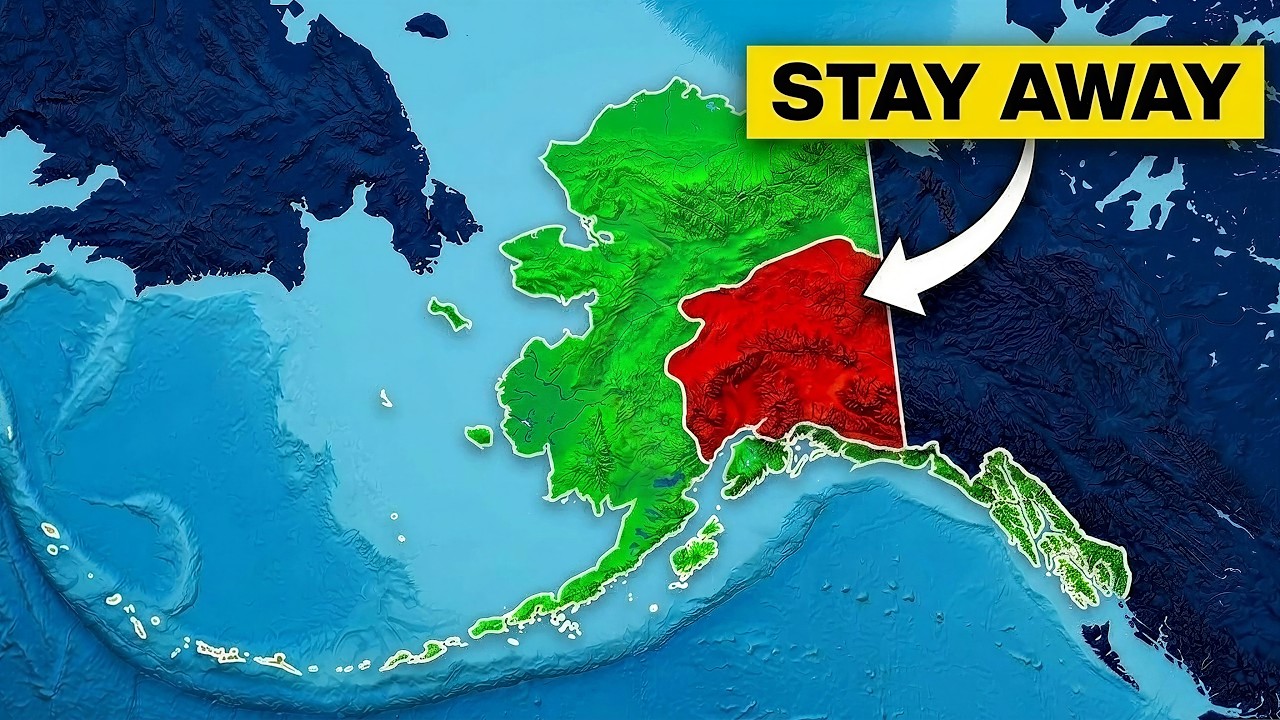
Ethnic enclaves began to form in Danish cities, communities where Danish was not the primary language, where unemployment rates were persistently high, educational attainment levels remained low, and crime was becoming a growing concern. The government, rather than shying away from the issue, began to formally acknowledge these areas, designating them as "ghettos." This was not merely a pejorative label, but an official classification applied to neighborhoods where more than 50 percent of residents were non-western immigrants and where specific metrics for employment, education, and crime fell below national standards.
By 2018, Danish politicians were openly stating that these immigrant-heavy districts posed a direct threat to national unity. The government launched an ambitious plan titled "A Denmark without parallel societies, no ghettos by 2030," explicitly framing these neighborhoods as existential threats to social cohesion and the nation's cherished welfare state. Lars Løkke Rasmussen, then Prime Minister, articulated these fears in his 2018 New Year's speech, warning that "ghettos could reach out their tentacles onto the streets by spreading violence" and lamenting that "cracks have appeared on the map of Denmark."
The numbers appeared to validate these concerns for many. Immigrants, who constituted approximately 14 percent of Denmark's population, accounted for 29 percent of violent crime convictions, more than double their demographic share. Beyond social cohesion and crime, there was a significant economic dimension. In 2018, Denmark's Ministry of Finance released a bombshell report, revealing that immigrants from non-western countries and their children cost the nation a net 31 billion kroner, approximately 4.2 billion US dollars, in a single year. Danish taxpayers, deeply invested in their welfare state, were stunned by the revelation of such a massive financial drain.
A relatively small immigrant population was creating a massive drain on the welfare state they'd spent generations building.
Perhaps nothing made the issue of immigration feel more immediate and personal than its impact on housing. Denmark already contended with one of Europe's most expensive housing markets, characterized by skyrocketing prices and a severe squeeze on renters in urban centers. Then, a groundbreaking study published in 2025, which likely refers to a future projection or a study with future implications, delivered a startling finding: over 60 percent of Denmark's house price boom since 1999 could be directly attributed to immigration-driven population growth. The study further detailed that in areas where the immigrant population grew by just one percent over five years, home prices jumped 11 percent, and rents rose by six percent. Native Danes began to move out of immigrant-heavy neighborhoods in what researchers termed "white flight," inadvertently spreading the housing crunch to other areas. Public anger simmered, as immigration transformed from an abstract political issue into a tangible concern affecting where people could live, their earning potential, and their ability to secure a future in their own country.
The Political Earthquake: Mainstreaming the Fringe
Against this backdrop of social and economic anxiety, a profound political earthquake was brewing. For years, the far-right Danish People's Party had vociferously campaigned on an anti-immigration platform, often dismissed by mainstream political discourse as a fringe extremist group. However, the 2015 general election dramatically altered this perception. The Danish People's Party secured an unprecedented 21.1 percent of the vote and 37 seats in the Folketing, the Danish parliament, making it the second-largest party in the nation's history. Suddenly, this once-marginalized force was central to propping up the government and demanding stringent new immigration policies.
Most Western democracies might have reacted to such a rise of the far-right with alarm, viewing it as a crisis for democracy itself. Denmark, however, chose a different path. Mainstream parties, including the traditionally center-left Social Democrats, observed these election results and made a calculated decision: if they failed to address the immigration issue seriously, they risked losing everything to the rising tide of populism. Consequently, they adopted much of the far-right's platform.
Mette Frederiksen, the leader of the Social Democrats, had once been a vocal critic of Denmark's immigration laws, labeling them among the toughest in Europe. Yet, by 2019, her campaign was built on a bold promise: to halt immigration from non-western countries entirely. This strategic pivot proved immensely successful. Frederiksen won the election, and her approval ratings soared to record highs. The Danish People's Party, paradoxically, saw its vote share collapse. The electorate, it seemed, no longer needed to vote for the far-right when the mainstream left was already implementing their desired policies. Today, a rare cross-party consensus defines Danish politics, with both left and right agreeing on the necessity to minimize refugee intake, enforce strict integration, and preserve Danish culture. The issue, once highly contentious, has largely ceased to be controversial.
A Toolkit of Deterrence: Denmark's Unprecedented Policies
The shift in Danish policy has manifested in a series of measures that are, by any international standard, extraordinarily strict. These are not merely adjustments but a wholesale re-engineering of the nation's approach to immigration. One of the most internationally condemned policies, dubbed the "jewelry law," was enacted in 2016. This law permits Danish police to confiscate cash and valuables, anything exceeding approximately 1,500 US dollars, from asylum seekers to help cover the costs of their upkeep. Despite widespread condemnation as inhumane, Denmark enforced it without hesitation.
In 2018, the government introduced the "ghetto package," a set of policies targeting designated immigrant neighborhoods. Residents in these officially labeled ghettos face double punishments for certain crimes, a measure intended to deter criminal activity. Perhaps the most controversial aspect of this package involves children as young as one year old. In these areas, toddlers are required to attend 25 hours per week of mandatory daycare to learn "Danish values," encompassing concepts like Christmas, democracy, and gender equality. Parents who refuse to comply risk losing their welfare benefits. This policy, which effectively mandates state-run cultural training for infants, was so extreme that it prompted the European Union Court of Justice to summon Denmark on charges of racial discrimination. Denmark, however, staunchly defended its stance, arguing that breaking up these neighborhoods and enforcing integration was not discrimination, but a necessary step to preserve Danish society.
The policies extended beyond internal measures. In 2020, Denmark became the first country in Europe to begin revoking residence permits for Syrian refugees. The government asserted that certain parts of Syria were now safe for return, leaving hundreds of Syrians, many of whom had lived in Denmark for years, learned the language, and secured employment, with the choice of returning to a war-torn country or remaining in deportation camps. This move signaled a profound departure from traditional refugee protection norms.
The idea is that no asylum seeker ever sets foot in Denmark. Ever.
The pinnacle of Denmark's deterrence strategy arrived in 2021 with the passage of the "Rwanda Plan." Inspired by Australia's controversial offshore detention model, this law allows Denmark to send asylum applicants to Rwanda for permanent processing, ensuring that no asylum seeker ever sets foot on Danish soil. The plan, which passed Parliament with a significant majority of 70 to 24 votes, is not a fringe proposal but a cornerstone of mainstream policy. Complementing these measures, Denmark has also taken steps to regulate Islamic practices, banning full-face veils in public in 2018, proposing a ban on the call to prayer, and cracking down on foreign imams, all in the stated interest of preserving Danish values. Each of these policies, individually extreme, collectively paints a clear picture: Denmark is actively making itself as unwelcoming as possible, sending an unambiguous message to asylum seekers, "Don't come."
The Rationale: Values, Welfare, and a Cultural Divide
The profound and rapid shift in Denmark's immigration stance is not attributable to a single cause, but rather a confluence of interconnected factors. At the core lies the deeply cherished welfare state. Danes are immensely proud of their system, which provides free healthcare, free education, and generous unemployment benefits. This system, however, relies on universal contribution and participation. When Danes perceived that significant financial resources, amounting to billions, were being expended on immigrants who were not integrating, not working, and seemingly drawing more from the system than they contributed, a sense of panic set in. The economic math, in their view, no longer added up.
Security fears also played a significant role. Denmark traditionally boasts a low crime rate and a strong sense of safety. However, high-profile cases involving immigrants, including gang violence in migrant neighborhoods and the 2015 Copenhagen shooting perpetrated by a Danish-born son of immigrants, left an indelible mark. For many Danes, these incidents began to foster an unsettling association between refugees and a perceived increase in danger, eroding the long-held trust in their secure society.
Perhaps the most potent driver of change was the concern over parallel societies. Danes harbored an expectation that immigrants would not merely reside in Denmark, but would actively become Danish: speaking the language, sharing fundamental values, and integrating completely into the national fabric. The emergence of neighborhoods where Danish was rarely spoken, where women wore face veils, and where children did not celebrate traditional Danish holidays, was perceived by many as an erosion of their culture. This fostered a profound fear for the future, a concern that Denmark itself would cease to be Denmark.
The depth of this cultural concern was starkly illuminated by the contrast in Denmark's response to the war in Ukraine. In 2022 and 2023, Denmark welcomed over 41,000 Ukrainian refugees, offering them quick residency permits and immediate support with virtually no public controversy. The reason for this differential treatment, according to many, was clear: Ukrainians are largely seen as European, Christian, and culturally compatible. This stark contrast led to the uncomfortable conclusion that Danes appeared willing to welcome refugees, provided they were the "right kind" of refugees. For a significant portion of the population, this double standard served to justify the hardline stance, reinforcing the idea that the issue was not primarily about numbers, but about cultural compatibility and the preservation of national identity.
The Danish Model: A Blueprint for a Hardline Europe
Denmark's dramatic transformation has undoubtedly shocked the international community. Human rights organizations have denounced its policies as cruel, while the United Nations has labeled them harsh and potentially illegal. Yet, within Denmark, there has been remarkably little public outcry. The crackdown on immigration is, in fact, widely popular. This popularity is borne out by concrete results: asylum applications plummeted from over 21,000 in 2015 to a mere 295 in 2021, a statistic the government proudly hails as a success. A YouGov poll from 2018 indicated that 65 percent of Danes opposed accepting any more migrants, and by 2022, 46 percent of Danes expressed a desire for no more or only a few Muslims to be granted residency in their country.
Prime Minister Mette Frederiksen's government defends its approach as pragmatic and realistic. One Social Democratic lawmaker, advocating for the Rwanda plan, articulated this sentiment by stating, "When people realize they will be sent out of Europe, they will stop coming, and they will stop putting themselves in danger." This perspective, framed as both humanitarian and deterrent, resonates deeply with the Danish electorate. Crucially, Denmark's approach is not an isolated phenomenon. Other countries are closely observing its methods.
Denmark has explicitly drawn inspiration from Australia's "stop the boats" offshore processing model. In 2024, the Danish immigration minister even visited Australia's controversial Nauru facility to observe its operations firsthand. The United Kingdom, in designing its own offshore processing agreement with Rwanda, similarly looked to Australia's blueprint. In 2021, Denmark became the first European nation to pass legislation specifically allowing it to transfer asylum seekers outside of Europe for processing. This indicates that Denmark is no longer an outlier; it is actively helping to shape a new, more restrictive European approach to migration, presenting a template for other nations grappling with similar challenges.
Denmark's war on immigration represents one of the most intense political shifts in modern European history. A country once celebrated for its happiness, equality, and openness has deliberately chosen to become a fortress. It has transitioned from welcoming refugees to actively aiming for zero asylum seekers, from implementing integration programs to demolishing immigrant neighborhoods, and from being a humanitarian leader to a hardline enforcer. And, at least politically, it is working. The Danish people support these measures, and the far-right has seen its influence wane because the mainstream has adopted its core policies. Other countries are now following Denmark's lead. This is the story of a society that attempted integration, determined it had failed, and consciously opted for separation instead. It is a narrative fueled by a profound fear: fear of losing a cherished welfare state, fear of cultural identity erosion, and fear of losing control. Denmark made a choice, deciding the perceived costs of an open society were too high. In doing so, it is demonstrating to the rest of the Western world precisely how far a democracy will go when its people feel existentially threatened, leaving the world to ponder whether this path represents a blueprint for the future or a stark warning.